
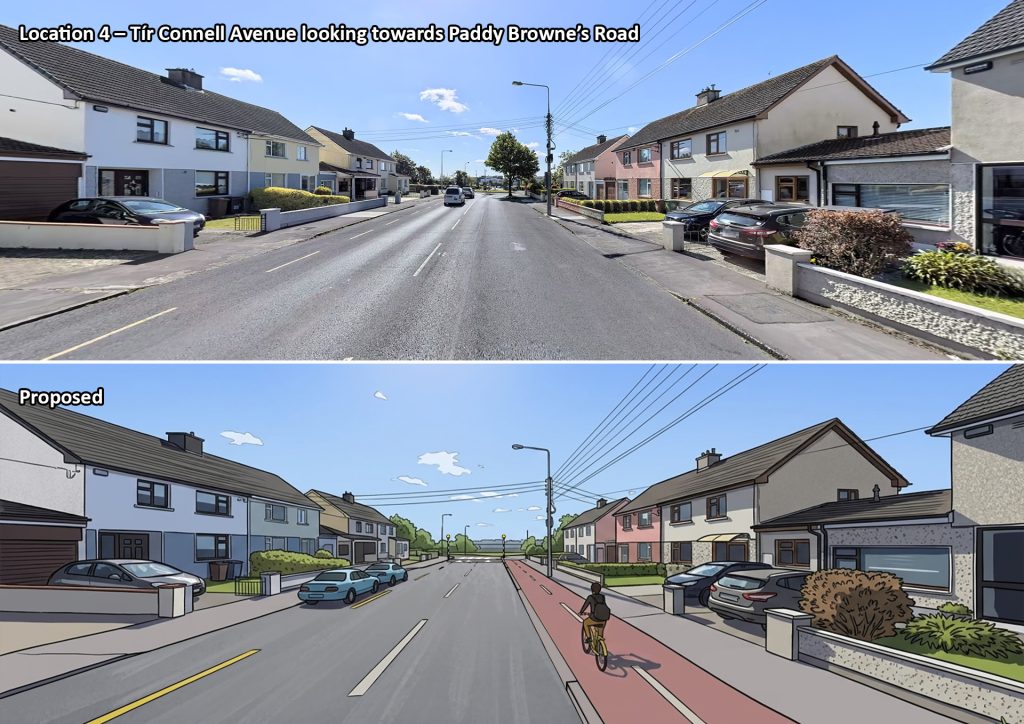
Active Travel has become synonymous with road works and public transport infrastructure that nobody asked for. With so much complaining about the projects, many will wonder why the government invested a further €360 million in Active Travel and greenway projects in 2026.
A new report, as part of a renewed public relations effort, explains the social benefits that Active Travel will eventually bring, and highlights that every €1 spent on the projects generates €4 of benefit for the economy.
Among the reports key findings are:
- “Between 2021 and 2030, capital expenditure on active travel has generated and is projected to generate a total of €1.45 billion in Gross Value Added (GVA) through direct and indirect effects, amounting to €2.04 billion when adding induced effects;
- The wider economic benefits over a 30-year appraisal period are estimated to be €7.73 billion;
- This means, every €1 invested in Active Travel infrastructure between 2021-2030 generates almost €4 in benefits to society when assessed over a 30-year appraisal period;
- The programme has supported and is expected to support 17,690 FTE jobs over the 10-year period, with an overall of 26,640 when induced effects are also considered. On average, this amounts to over 2,650 FTE jobs per year over the 10-year period of 2021-2030.
- It is estimated that the cost of one year’s investment is fully recovered by the sixth year of the infrastructure being operational.
The report also explains that investing in these areas provides considerable stimulus for local companies who are contracted to design, plan and construct the projects. The report highlights the significant economic and cultural gains of increasing walking and self-propelled transport, which undoubtedly provides meaningful psychological, physical and financial benefits.
Some may wonder if the greenways and leisure travel elements of Active Travel should be considered separately to works that narrow junctions and roads to intentionally slow traffic on commuter routes.
Welcoming the report, Minister for Transport, Darragh O’Brien, said “The Benefits of Active Travel Investment Report shows the positive financial impact of the significant increase in Government funding for walking and cycling since the start of this decade. Choosing active transport modes over private car journeys results in savings for commuters as well as creating and maintaining jobs across various sectors around the country.
“Active Travel investment supports local economies and that is just one of the reasons, along with various social, health and climate benefits, why we will continue to invest in walking and cycling at a high level out to 2030, as committed in the National Development Plan and the Sustainable Mobility Policy Action Plan 2026-2030.”
Anne Shaw, CEO of the body that completed the report, the National Transport Authority said “This Report is yet further confirmation that the work the NTA is doing with our Local Authorities is having a real benefit, not just for the people who are using our enhanced active travel networks, but for the wider economy too.
“From job creation to the knock-on positive effects for other businesses, there are many reasons why continued investment in this area is good for all of us.
“The NTA is working closely with the Department of Transport with regards ongoing funding and we are constantly exploring ways in which we can continue to support and grow our active travel networks nationwide, improving our public realms and creating more liveable communities for everyone,” she added.
AARON KENT

Funded by the Local Democracy Reporting Scheme
